Savings, budgets, financial planning, loans, and credit are perhaps some of the most essential concepts to teach children and young adults. If you’re wondering where to start with financial education, this section will cover how to begin, important concepts to cover, and tools and resources to help you and your child navigate these topics. If you’re feeling unsure about financial literacy and education yourself—that’s ok! There are resources for adults as well.
1. Savings
What is the first step to financial education? For most families, it starts with basic concepts associated with saving money. Savings accounts provide people of all ages a place to keep their money safe and secure. Accounts held by members at credit unions like IMCU, for example, are insured by the National Credit Union Administration (
NCUA), so you can rest assured that your money is safe.
What do your children need to know about savings? It can start with introductory topics like counting money, what we use money for, needs versus wants, and why we save money. From there, you can move into more advanced discussions about the different types of accounts (savings, checking, high-yield, etc.), why we need to set aside money for emergencies, and more.
Perhaps the best way to cover some of these topics is with hands-on learning that lets your child experience savings accounts for themselves. Yet, only about 39% of children aged eight to fourteen have a savings account in the United States. IMCU makes it quick and easy to set one up. With IMCU’s Youth Accounts, you can create an account for your child with as little as $5.
2. Budgets and Debit Cards
Whether we use a pen and paper, an Excel spreadsheet, or simple mental math, most adults practice some form of budgeting regularly. Budgets help us control our saving, spending, and investing so we can meet our short and long-term financial goals. Children, too, can start to learn these skills early on to help them understand how to live within their means and why it matters. So how do you get started? Begin by discussing the concept of budgeting and goals with your child. You might even show them your own budget, or a sample budget you’ve created for educational purposes. Within your budget, you can illustrate and talk about concepts like income, fixed expenses, discretionary and non-essential spending, and savings. After you’ve had these opportunities to chat, hands-on learning can begin.
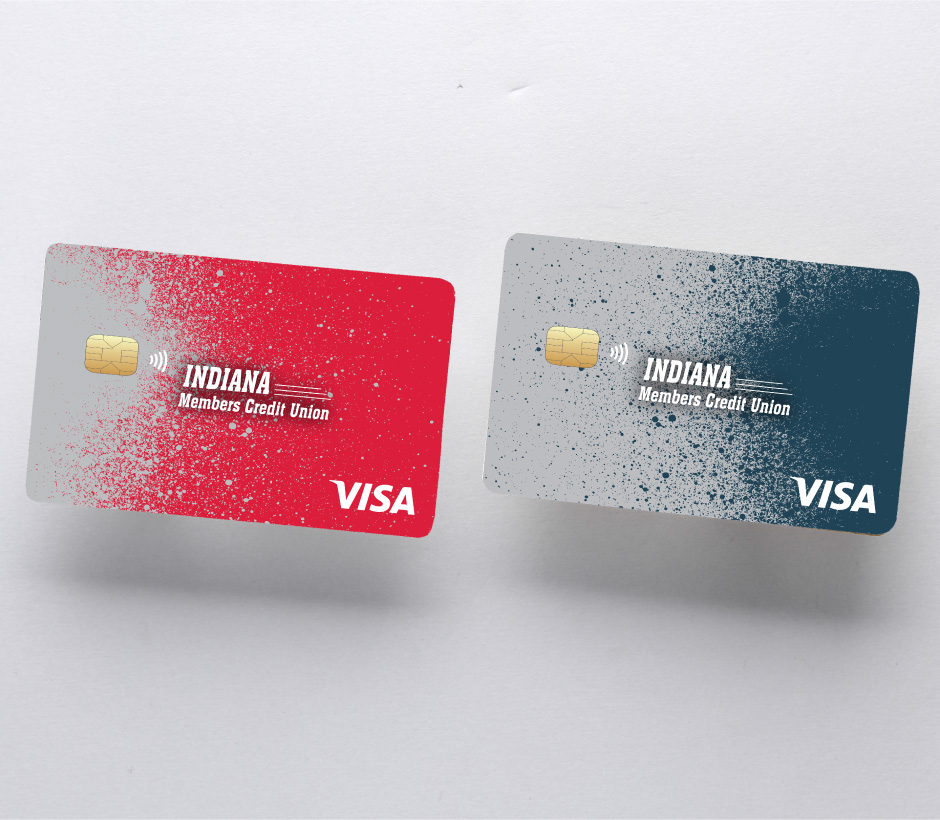
The Affinity Debit Card program, children 12 years and older can have their own debit card. These debit cards, connected directly to checking accounts, empower your children to spend within their means while also learning how to budget and balance an account.
As an added bonus, our Affinity Debit Cards also give back to the community! Select from more than 30 different organizations, and they’ll receive a donation with every signature transaction your child makes!
3. Plans and Educational Savings
Planning for the future is a key part of growing up. Whether your child plans to attend a four-year university, a two-year college, a trade school, or do something different, they will need money for the future. The idea of saving for education is synonymous with planning, and both are valuable components of financial literacy.
When your child is young, begin by introducing the idea of planning and goal setting. This might be planning for a family trip or planning how they’ll save up for a new toy, for example. As they grow older, you can start to introduce the idea of saving for larger purchases, like education or a car.
Through IMCU investment services, you and your child—and anyone else in your family who may wish to help—can create educational savings accounts, including 529 Savings Plans, and Coverdell Educational Savings Accounts, to prepare for the future. As a parent, you may also be interested in IMCU’s additional planning services, like retirement services, investment services, and financial management.
4. Loans and First Vehicles
You very likely remember your first vehicle and how exciting that taste of freedom was. For your child, their first car (or, the first car they take a loan out for) is an equally important milestone. Yet, vehicles can be expensive, and loans can feel complex and overwhelming. Fortunately, there are a number of topics related to loans that you can start talking about with your child—there are even resources available to help you out.
While your child is young, you can introduce the concept of borrowing and paying back money. As they get older, you can introduce mathematical concepts like deposits and interest rates. In fact, they’ll probably cover some of these topics in their math classes at school. As they get closer to seeking out a loan, you can use various online calculators to walk them through the entire process. IMCU, for example, has calculators available for situations like:
The bottom line is, when it comes to loans and lenders, it’s important to find a lender that will walk your child through the entire process from start to finish. With IMCU, we care about our members and their success, and we work with first-time car buyers to find the right financing for them.
5. Credit Scores and Credit Cards
Credit scores follow us our entire lives, and although it’s possible to improve them, starting with firm footing can set a person up for long-term success. So how do you begin?
Start by discussing why credit matters and how it impacts our ability to make larger purchases like a car or home. Then, you can introduce information about how to build credit, including what credit cards are for. It’s critical here to talk about responsible credit use, like understanding terms and conditions and making regular payments. These conversations are particularly important when your child opens their first credit card.
IMCU makes it simple for young people to try their hand at building credit with a
Jumpstart Credit Card. With a low credit limit and no annual fees, they can manage their accounts digitally, set up alerts and spending amounts, and establish good credit card habits.

.png)